
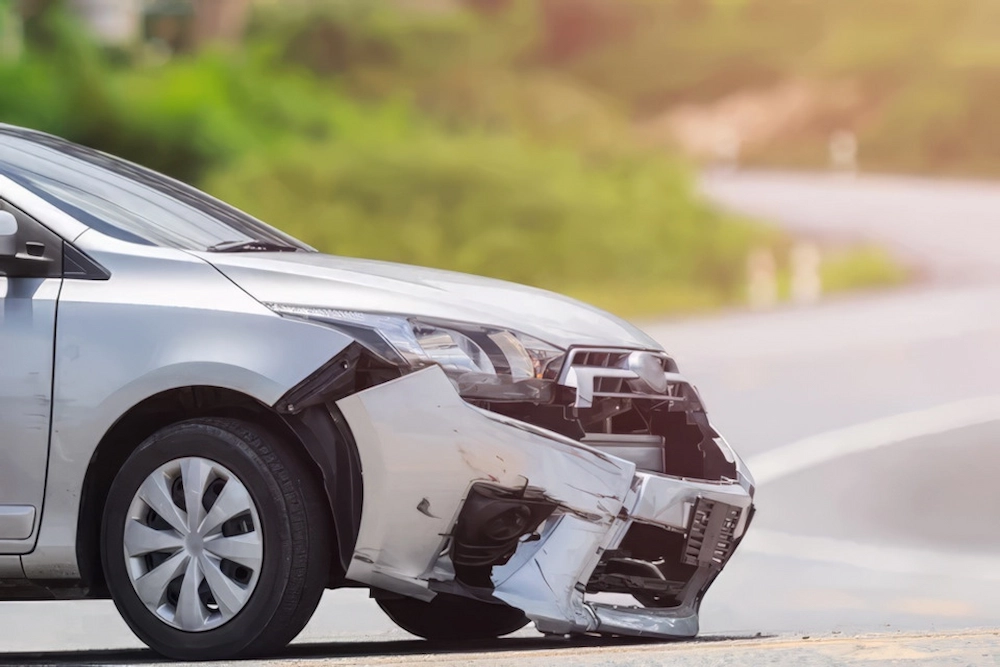
Even a small accident can leave drivers uncertain about what to do next. The car may look fine on the outside, but hidden problems could make it unsafe to drive. Knowing what to check before getting back on the road can make all the difference for your safety. At Unique Auto Collision, we see this situation often, and we help drivers decide whether their vehicle is roadworthy or needs repairs first.
Assess Visible Exterior Damage
After any minor collision, start with a careful walk-around of your car. It’s not just about scratches or dents, some damage can directly affect whether your vehicle is safe. Look out for:
- Bumpers or panels hanging loose
- Cracked or broken headlights or taillights
- Windshield chips or cracks that block vision
Check the Alignment and Steering
Even low-speed accidents can affect the way your car handles. A shift in alignment or damage to the steering system can make the vehicle unpredictable on the road. Signs to watch for include:
- Steering wheel pulling to one side
- Shaking or vibrating while driving
- Trouble keeping the car straight
Inspect the Tires and Suspension
Tires and suspension parts take a big hit during side or curb impacts. If they’re not in top condition, your car could be unsafe even for short drives. Warning signs are:
- Tires that look flat, cracked, or bulging
- Rims bent out of shape
- Car sitting lower on one side
Look for Fluid Leaks
Collisions can cause leaks you might not notice at first glance. A small puddle under your car can be the sign of a bigger problem waiting to happen. Common leak indicators are:
- Red or pink fluid = transmission
- Green or orange = coolant
- Black or brown = oil
Ensure All Safety Systems Work
Modern vehicles rely on sensors and warning systems. Even if the airbags don’t deploy, a crash may still trigger faults. Pay attention to the dashboard and check for:
- Airbag light illuminated
- ABS or brake system warning on
- Traction control or stability system errors
Consider Legal and Insurance Requirements
After a collision, it’s not just the safety of your car you need to think about, there are legal and insurance responsibilities as well. In many states, driving a vehicle with obvious damage such as broken headlights, missing mirrors, or a shattered windshield can lead to tickets or fines, even if the car still runs. These rules exist because visible damage often makes the vehicle unsafe for you and for others on the road.
Insurance companies also have strict requirements. Even if the accident seems minor, most policies require you to report it within a specific timeframe. Failing to do so could cause delays in coverage or even denial of your claim later. That’s why it’s always a good idea to keep records of the incident. Take photos of the scene, the damage to your vehicle, and any other cars involved. These details become valuable evidence if questions arise during the claims process.
When You Should Not Drive
Sometimes the safest choice is to leave the car where it is and call for help. If you notice fluid leaks, compromised steering or braking, dashboard warning lights that won’t turn off, visible suspension or alignment problems, or damage that blocks your view or affects your lights, the vehicle should not be driven. In these cases, arranging a tow is the best way to prevent further damage or another accident.
How Unique Auto Collision Can Help
At Unique Auto Collision, we know how stressful even a “minor” accident can feel. Our team carefully inspects every vehicle to uncover both visible and hidden damage, giving you peace of mind before you get back on the road. From collision repair services to complete insurance claims assistance, we handle the details so you can focus on moving forward.


