
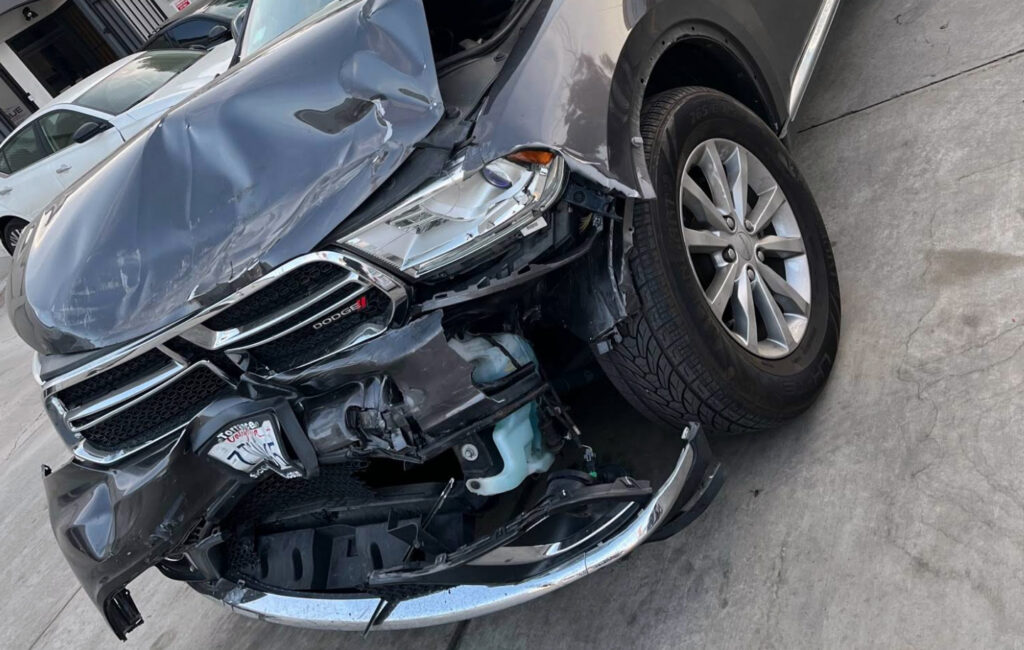
Even a minor accident can affect more than just your vehicle’s appearance. Collision damage can impact the structural integrity, safety systems, and overall performance of your car in ways that are not always visible right away. Many drivers focus on dents, scratches, or paint damage after an accident, but hidden issues underneath the surface can create serious safety concerns if repairs are delayed or performed incorrectly.
Understanding how collision damage affects vehicle safety can help you make informed decisions after an accident and protect both you and your passengers on the road.
Structural Damage Can Weaken Your Vehicle
Modern vehicles are designed with crumple zones and reinforced structures that absorb impact during a collision. While these systems help reduce injuries during an accident, they can become compromised afterward. Even a low-speed collision may cause:
- Frame misalignment
- Weakened structural components
- Damage to impact absorption zones
- Uneven vehicle balance
If the vehicle structure is not properly repaired, future accidents may cause more severe damage and increase the risk of injury.
Airbag Systems May Not Function Properly
Many safety systems rely on sensors located throughout the vehicle. After a collision, these sensors can become damaged or misaligned even if the airbags did not deploy.
Collision damage may affect:
- Airbag deployment timing
- Crash sensors
- Seatbelt tension systems
- Occupant safety monitoring systems
Professional diagnostics and recalibration are important after repairs to ensure all safety systems continue functioning correctly.
Alignment and Suspension Damage Can Affect Handling
After an accident, drivers often notice their vehicle pulling to one side or steering differently than before. This can happen when the suspension or wheel alignment has been affected by the impact. The issues below can make driving more dangerous, especially at highway speeds or during poor weather conditions. Poor alignment can lead to:
- Reduced steering control
- Uneven tire wear
- Longer stopping distances
- Reduced stability during emergency maneuvers
Advanced Driver Assistance Systems (ADAS) Can Be Disrupted
Modern vehicles include advanced safety features such as:
- Lane departure warning
- Blind spot monitoring
- Adaptive cruise control
- Automatic emergency braking
- Parking sensors
Even minor bumper or panel damage can affect cameras and sensors connected to these systems. After repairs, recalibration is often necessary to ensure these features continue working properly.
Hidden Damage Is Common After Collisions
Some collision damage is not visible immediately after an accident. Internal components behind panels and bumpers may still be damaged even when the exterior appears relatively minor. Hidden issues may include:
- Bent supports
- Cracked brackets
- Electrical damage
- Cooling system damage
- Sensor malfunctions
A professional inspection helps identify hidden problems before they become larger repair or safety concerns.
Why Professional Collision Repairs Matter
Proper collision repair is about more than restoring appearance. Quality repairs help restore the vehicle’s structural integrity, safety systems, and drivability.
Professional repair facilities use:
- Structural measuring systems
- Diagnostic scanning tools
- Advanced repair equipment
- Manufacturer repair procedures
- ADAS recalibration equipment
Choosing experienced collision repair professionals helps ensure your vehicle is repaired correctly after an accident.
Signs Your Vehicle May Have Safety Issues After a Collision
After an accident, drivers should pay attention to warning signs that may indicate unresolved safety problems. If you notice any of the issues below after repairs, your vehicle should be inspected immediately. Common signs include:
- Steering wheel vibration
- Vehicle pulling while driving
- Dashboard warning lights
- Unusual noises
- Uneven tire wear
- Doors or panels not aligning properly
Collision Damage Can Affect Resale Value
Poorly repaired collision damage can also impact your vehicle’s long-term value. Buyers often look for evidence of structural repairs, repainting, or accident history before purchasing a vehicle. Proper repairs help:
- Maintain vehicle value
- Improve long-term reliability
- Prevent future repair issues
- Preserve vehicle appearance
Keeping repair records can also help document that repairs were completed professionally.
Protecting Your Vehicle After an Accident
After a collision:
- Schedule a professional inspection
- Address repairs quickly
- Ask about diagnostic scanning
- Confirm alignment and calibration checks
- Work with an experienced collision repair shop
Taking the right steps after an accident helps protect your vehicle’s safety and performance over the long term.
At Unique Auto Collision Center, we provide professional collision repair services designed to restore vehicle safety, appearance, and drivability after an accident. From Accident towing service to structural repairs, our team helps drivers throughout Southern California get back on the road safely.


