
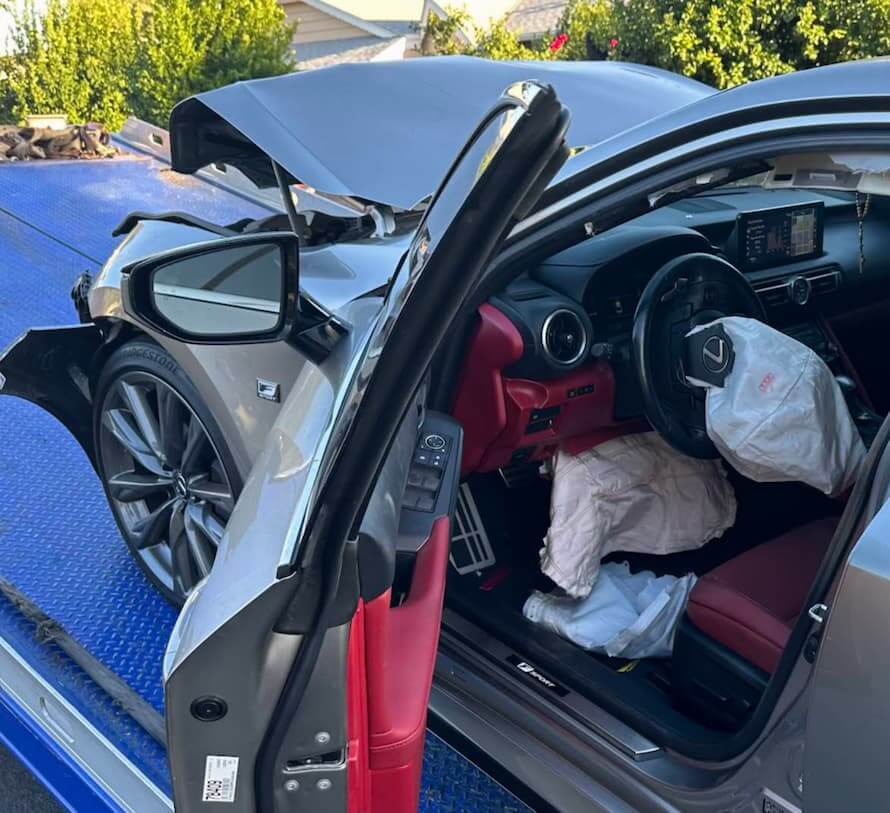
How long does collision repair take is one of the most common questions drivers have after an accident, especially when they’re trying to figure out how long they’ll be without their car. The answer depends on the type of damage, the repair process, parts availability, and how quickly the insurance company signs off on the work.
Some car accident repairs are fairly quick. Others take longer because the damage goes beyond what’s visible at first glance. A minor bumper repair is a very different job from major collision repairs involving frame straightening, structural parts, or multiple panels.
Why Some Collision Repairs Take Longer Than Others
Minor damage moves faster than structural repairs
A fender bender with small dents, shallow dents, minor scratches, or chipped paint usually has a shorter repair time. These are common repairs for an auto body shop, and in many cases, they don’t require extensive disassembly or major replacement work.
Once the vehicle has structural damage, frame damage, or hidden damage behind the surface, the repair process becomes more involved. That means more labour, more inspection, and more time in the repair shop.
Parts availability can change the whole timeline
Parts availability is one of the biggest reasons collision repair timelines vary from one vehicle to another. A straightforward door replacement or panel replacement may move quickly if the parts are already available. But if the shop needs specialized parts, multiple parts, or brand-specific components, the process can slow down fast. Even a simple repair job can get delayed if one key part hasn’t arrived.
This is why two cars with similar accident damage can end up with very different repair timelines.
Insurance approvals often slow things down
A lot of drivers assume the repair begins the moment they drop off the car. In reality, the insurance process can add time before the work is fully approved.
The shop usually starts with an initial assessment and estimate. From there, the insurance company or insurance provider may need to review the damage before authorizing certain repairs. If hidden damage is found once the vehicle is taken apart, updated insurance approvals may be needed before the shop can continue.
That back-and-forth is a normal part of car accident repairs, but it can definitely slow things down.
Shop workload matters, but so does how the shop works
Yes, shop workload affects timing, but that’s only part of it. A busy body shop with poor coordination can drag a repair out longer than necessary. On the other hand, an organized auto repair shop with certified technicians, specialized equipment, and a clear repair process can keep things moving without rushing quality work. That matters for repairs involving:
- frame straightening
- paint matching
- replacement of internal elements
- final inspection
- test drive before delivery
Those steps take time for a reason. A good shop won’t cut corners just to give a faster completion date.
A General Timeline for Common Collision Repairs
There’s no single answer that fits every accident, but most repairs fall into a rough range depending on the severity of the damage. A simple way to look at it:
- Minor cosmetic repairs: often a few days
- Moderate body repairs: often up to about two weeks
- Major collision repairs: often several weeks
That’s why the first estimate is usually a range, not a promise.
Why the Original Estimate Can Change
One of the most frustrating parts of collision repair is hearing one timeline at the start, then getting a different update later. That usually happens because the visible damage is only part of the story. Once technicians begin taking the vehicle apart, they may find hidden damage affecting internal elements, mounting points, or structural parts. At that point, the repair job changes, the estimate may need to be updated, and additional parts may need to be ordered.
This is especially common after a car accident where the impact looked minor from the outside but affected more underneath.
What the Repair Process Usually Looks Like
If you understand the repair process, the timeline makes a lot more sense. Most collision repair services follow a sequence something like this:
- drop off the vehicle
- complete the initial assessment
- send the estimate through the insurance claims process
- wait for insurance approvals
- order replacement parts
- begin repairs
- complete paint work and paint matching
- perform final inspection
- do a test drive before release
Some steps move quickly. Others depend on outside factors, especially insurance and parts. That’s why even a good repair shop can’t always guarantee an exact finish date on day one.
What You Can Do to Help Speed Things Up
There’s no shortcut around proper repairs, but there are a few ways to avoid unnecessary delays.
- respond quickly when the shop or insurance company contacts you
- approve repair decisions as soon as possible
- choose an auto body shop that regularly works with insurance claims
- ask early about parts availability and possible delays
These small things can help speed things up without sacrificing the quality of the repair.
Need a Real Timeline for Your Vehicle?
The best way to know how long collision repair will take is to have the vehicle inspected properly. Every accident is different, and the real timeline depends on the extent of the damage, the repair process, and whether more damage shows up once the work begins.
If your car has been in an accident, Unique Auto Collision’s repair services can help you understand the next steps, deal with the insurance process, and get a realistic estimate for the work your vehicle actually needs.
Contact us today to schedule an assessment and get clear answers before the repair begins.


