
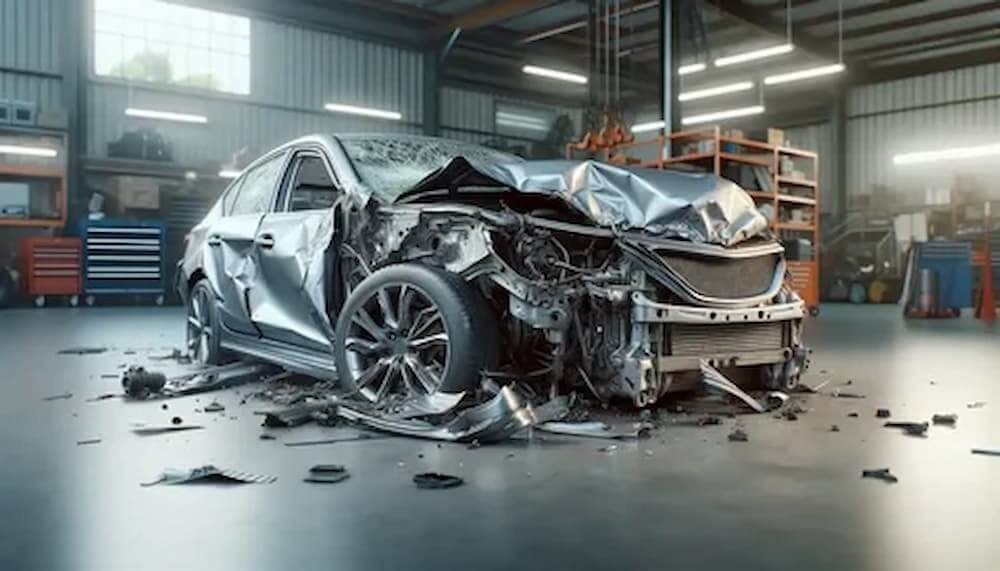
Car accidents don’t just cause dents and scratches, sometimes they affect the very structure of your vehicle. The car’s frame is designed to support the weight of the vehicle, absorb impact, and protect passengers in a crash. When it’s compromised, even slightly, your safety can be at risk. Recognizing the early signs of frame damage helps you decide when to stop driving and get a professional inspection.
Visible Misalignment in the Body
The exterior of your vehicle should look symmetrical, with panels and doors lining up evenly. After a collision, even a small bend in the frame can throw everything out of place. You might notice that doors or the trunk no longer shut flush, or that the seams between body panels aren’t consistent. These misalignments aren’t just cosmetic, they’re often a sign that the underlying structure has shifted and needs professional correction.
- Gaps between panels are uneven
- Doors, hood, or trunk don’t close smoothly
- Lines along the body appear bent or crooked
Steering Problems and Pulling
If your car suddenly doesn’t drive the way it used to after an accident, the frame could be the culprit. A bent or twisted frame alters how the wheels sit on the road, which in turn affects steering. Even after a wheel alignment, you might feel the car drifting or pulling, which means the issue goes deeper than tire balance. Ignoring this can make driving unsafe, especially at higher speeds.
- Car pulls to one side even after alignment
- Steering wheel feels loose or shaky
- Vehicle drifts when driving on a straight road
Uneven Tire Wear
Your tires are a clear indicator of hidden structural issues. A properly aligned car wears tires evenly, but frame damage changes how weight is distributed across the wheels. This can cause one side to carry more load, wearing tires out faster than normal. Uneven wear not only shortens the lifespan of the tires but also reduces traction and braking effectiveness, creating additional safety risks.
- Tires wear faster on one side than the other
- Bald spots appear despite regular rotation
- New tires wear down unusually quickly
Strange Noises After Driving
Cars aren’t supposed to make unusual noises after a repairable accident. If you hear new sounds, it often points to frame stress or shifting parts. A bent frame can make suspension components rub against each other or create gaps where pieces aren’t sitting correctly anymore. These noises may start subtle but often get worse the longer the problem goes unaddressed.
- Creaking when turning
- Clunking over bumps
- Squeaks coming from the undercarriage
Issues with Suspension
The suspension system is directly connected to the frame, so even slight structural damage can create noticeable changes in how your car feels on the road. If the frame is bent, the suspension can no longer distribute weight evenly, which often makes the car feel bouncy or unstable at normal speeds. You might also notice the vehicle leaning more to one side, as if it’s off balance, which is a clear sign something isn’t aligned correctly. In some cases, the suspension components themselves may appear bent or stressed, a red flag that the frame has been compromised and is putting unnecessary strain on the system. These symptoms don’t just affect comfort, they can also make your car harder to control in sudden maneuvers or emergency stops.
Cracks, Rust, or Bends Underneath
Not all frame damage is visible from the outside, which is why checking underneath the vehicle is so important after a collision. The undercarriage can reveal structural issues like bent or twisted frame rails that aren’t obvious at first glance. Cracks in the metal are another sign of serious stress, showing that the frame has absorbed more impact than it should have. Rust is also a major concern; once it starts spreading from a damaged area, it can weaken the frame even further over time. These types of problems can go unnoticed until they lead to bigger failures, which is why a close inspection beneath the car is essential if you suspect frame damage.
Warning Lights or Sensor Problems
Modern cars rely heavily on sensors built into the frame and surrounding components. These sensors control critical systems such as airbags, stability control, and anti-lock brakes. After a collision, even if the airbags don’t deploy, the impact can knock these sensors out of alignment or damage the wiring that connects them. As a result, you may notice new warning lights on your dashboard that weren’t there before. An illuminated airbag light, ABS alert, or stability control warning is often more than just a technical glitch, it can be a direct sign that the frame or its connected systems have been affected. Ignoring these warnings can leave you without essential safety features in the event of another accident, making immediate inspection and repair a necessity.
Why Frame Damage Matters
Ignoring frame issues can make your car unsafe to drive. A weakened frame won’t protect passengers properly in another crash, and problems like misaligned wheels or suspension damage can get worse over time. Repairs may seem costly, but they’re essential for safety and long-term performance.
Staying Safe After a Collision
Your car’s frame is the backbone of its safety system. Driving with hidden damage can put you and others at risk. If you’ve been in an accident and spot these warning signs, don’t delay. A quick inspection can save you money, extend your vehicle’s life, and, most importantly, keep you safe on the road.
At Unique Auto Collision, we see how often hidden frame issues turn into bigger problems if ignored.


