
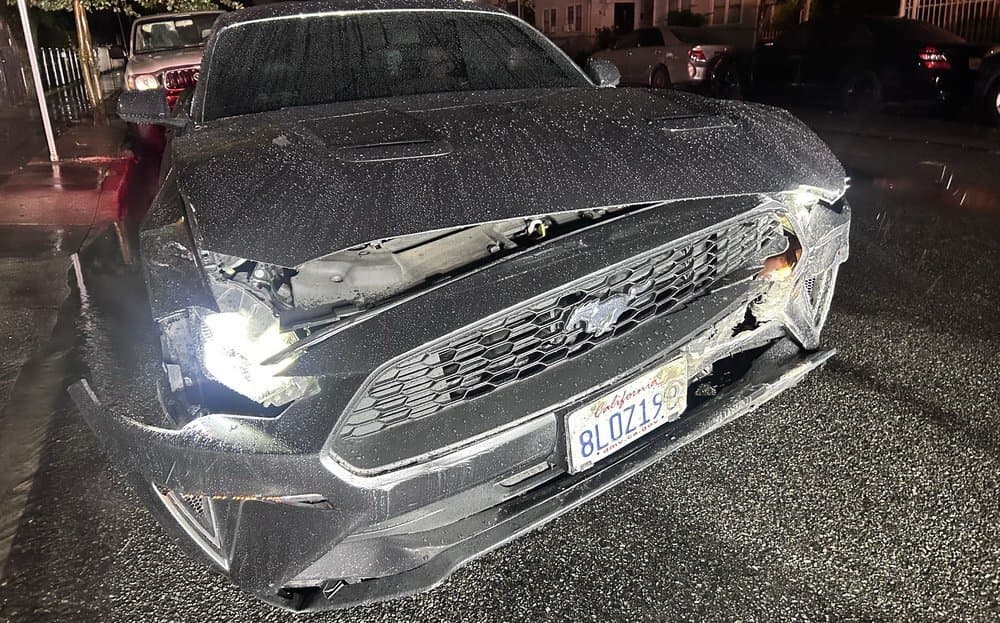
After a collision, not every issue shows up right away. Dents and scratches are easy to spot, but structural damage can stay hidden, and it’s one of the most serious problems a vehicle can have. When the frame is compromised, it affects how your car drives, how it absorbs impact, and how well it protects you in the future. Knowing what to look for helps you address problems early, before they become expensive or unsafe.
1. Your Car Pulls to One Side After the Accident
If your car suddenly veers to one side while you’re driving, that’s one of the strongest signs that something in the frame or suspension geometry has shifted. Even with perfect tire pressure and new wheels, a bent frame can keep your vehicle from tracking straight. Besides being frustrating, it can wear down your tires unevenly and make handling feel unpredictable, especially at higher speeds.
2. Uneven Gaps or Misaligned Panels
Take a close look at your doors, hood, and body panels after a crash. If the gaps don’t look even or certain parts don’t close the way they used to, the underlying structure may have shifted. The frame is essentially your vehicle’s foundation, and even a slight bend can throw off how everything fits together. Certified collision technicians rely on computerized measuring tools to identify these misalignments and bring the frame back to factory specs.
3. Strange Noises or Vibrations While Driving
New rattles, creaks, or vibrations after an accident can be a sign of hidden structural issues. These sounds often happen when the frame has shifted or when welds or joints have been stressed in ways you can’t see. When the structure isn’t aligned properly, vibrations travel through the body, suspension, and cabin. A professional inspection can determine whether the issue is surface-level or deeper in the frame, and whether straightening is necessary.
4. Steering Feels Off or Requires Constant Correction
If keeping your vehicle centered suddenly requires more effort, the collision may have altered your steering geometry. You might notice the wheel feels stiffer, looser, or just not as stable as before. These changes usually mean the vehicle’s structural alignment is off. A qualified technician can use precise before-and-after measurements to confirm the exact cause and determine the right repair approach.
5. Uneven Tire Wear or Suspension Issues
Even if your tires are maintained perfectly, frame damage can make them wear down unevenly. A bent or distorted chassis can shift weight and change suspension angles, sometimes causing one side of the car to sit lower than the other. Over time, this leads to premature wear on both tires and suspension components. Proper frame alignment ensures all four wheels make even contact with the road, improving safety and performance.
Why Hidden Frame Damage Should Never Be Ignored
A weakened frame can’t protect you the way it’s designed to. In another collision, the structure may not absorb energy correctly, airbags may not deploy as intended, and braking or handling can be compromised. Addressing the damage early doesn’t just keep you safer, it also helps preserve the long-term value of your vehicle.
How Professional Frame Straightening Fixes the Problem
Modern frame straightening relies on highly precise computerized systems that compare your vehicle’s chassis to strict OEM measurements. For a closer look at how this works, visit the Auto Frame Straightening Service.
When to Get a Professional Inspection
Even minor collisions can cause structural stress that isn’t visible at first. If you’re noticing pulling, misaligned panels, unusual vibrations, or anything that feels “off,” it’s a good idea to schedule an inspection. A certified collision center can identify hidden frame or chassis issues before they cause bigger problems.
Restore Safety and Structural Integrity
Your vehicle’s frame is the core of its safety and performance. Catching issues early ensures everything from suspension to airbags works the way it should. Proper structural repair improves stability, protects occupants, and supports your car’s long-term reliability. For more guidance on staying safe after an accident, you may also find our article Is It Safe to Drive After a Minor Collision? helpful.
If you’d like to dive deeper into this topic, you can also read our detailed guide on signs your car may have frame damage, which covers additional indicators many drivers tend to miss.


