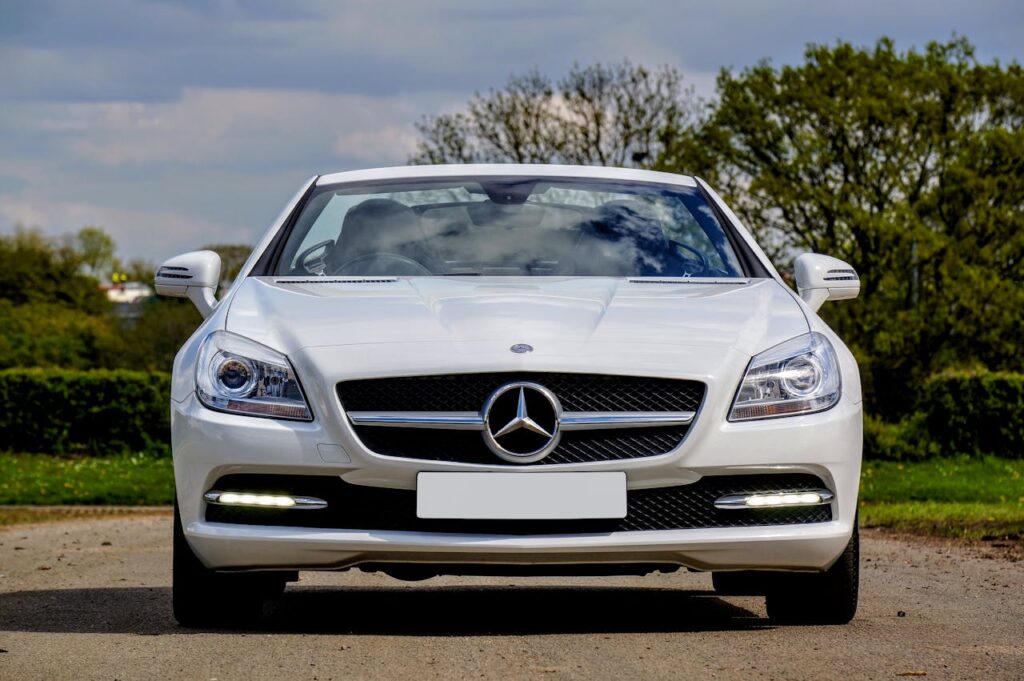
A collision can affect much more than the visible panels of a Mercedes-Benz. Modern models are designed with advanced materials, sophisticated electronics, and integrated safety systems that require precise repair methods after an accident. This is the main reason Mercedes-Benz vehicles require specialised collision repair, even when the damage appears minor.
Choosing a trusted provider for Mercedes-Benz collision repair in Los Angeles helps restore your vehicle’s structural integrity, safety features, and overall performance. Understanding what makes these repairs unique can help you make informed decisions after a collision.
Why Does Mercedes-Benz Need Specialized Collision Repair?
Advanced Engineering
Mercedes-Benz vehicles are engineered with advanced technologies designed to improve safety, handling, and driving performance. These sophisticated systems require technicians to follow precise repair procedures after a collision to help restore the vehicle as intended.
Precision-Built Body Structure
Every Mercedes-Benz is built with carefully engineered structural components that work together during an impact. Even slight misalignment can affect how the vehicle performs, making accurate measurements and repairs essential throughout the collision repair process.
High-Strength Materials
Many Mercedes-Benz models combine aluminum with high-strength steel to reduce weight while maintaining structural strength. These materials require specialized repair techniques and equipment that differ from standard collision repairs on conventional vehicles.
Integrated Safety Technology
Modern Mercedes-Benz vehicles include cameras, radar sensors, parking assistance systems, and other advanced driver assistance features. After an accident, these systems should be inspected and, when necessary, calibrated to help ensure they continue operating as designed.
Hidden Collision Damage
Not every collision leaves visible damage. Internal structural components, mounting points, electronic systems, and safety features can be affected even when the exterior appears to have only minor dents or scratches. A thorough inspection helps identify damage that may otherwise go unnoticed.
Model-Specific Repair Procedures
Different Mercedes-Benz models may require unique repair methods depending on their construction and technology. Following manufacturer-recommended repair procedures helps ensure repairs are completed accurately while maintaining the vehicle’s safety and structural performance.
How Proper Collision Repair Protects Vehicle Safety
Professional luxury vehicle collision repair goes beyond restoring appearance. It addresses structural alignment, damaged components, panel fit, restraint-related areas, and safety technology that may have been affected by the impact.
Advanced technologies, including ADAS calibration for Mercedes-Benz vehicles that may be required after certain repairs, help ensure cameras, sensors, and driver assistance features function correctly. Addressing both visible and hidden damage helps reduce the risk of future issues while restoring the vehicle’s overall integrity.
A complete repair process also includes quality checks after the work is finished. Depending on the damage and repair operations, this may involve measurements, calibration procedures, paint inspection, and confirmation that repaired areas function as intended.
The Collision Repair Process for a Mercedes-Benz
A clear process helps reduce uncertainty after an accident. Because the shop focuses on insurance-based collision repair, the insurance claim should be opened before repair coordination begins.
- Contact Auto Collision Center: If the vehicle cannot be driven safely, use 24-Hour Accident Towing to move it from the accident scene. Once the vehicle arrives, provide your insurance claim number so the repair process can begin without unnecessary delays.
- Vehicle Inspection & Estimate: The vehicle is inspected for visible damage, structural concerns, and affected safety systems. A repair estimate is then prepared, with any additional damage documented if it is discovered during disassembly.
- Insurance Assistance: The collision repair team can help organize estimates, photographs, repair documentation, and communication related to the approved claim.
- Professional Repair & Painting: From structural repairs and panel replacement to refinishing and paint matching, certified technicians restore the vehicle to its pre-accident condition while completing the necessary quality and safety checks.
Why I-CAR Gold Matters
Choosing an I-CAR Gold collision repair facility demonstrates a commitment to ongoing industry training and current repair practices. As vehicle technology continues to evolve, continuous education helps technicians stay up to date with modern repair procedures, materials, and safety systems.
At Unique Auto Collision, our team focuses exclusively on insurance-based collision repairs for a wide range of luxury vehicles, including Mercedes-Benz. While we are not a Mercedes-Benz certified body shop, our technicians follow industry-recognized repair practices, use advanced repair equipment, and maintain I-CAR Gold recognition to help deliver high-quality collision repairs. We also provide 24-Hour Accident Towing and Auto Insurance Claim Support to help make the repair process as smooth as possible.
If your Mercedes-Benz has been involved in a collision, begin by reporting the accident to your insurance company. Once your claim has been opened, contact Unique Auto Collision with your claim number. Our team can provide Auto Insurance Claim Support, coordinate with your insurer, and perform professional collision repairs to help restore your vehicle safely and correctly.
Filing a claim correctly does not guarantee that every cost will be covered. Coverage depends on the policy, deductible, circumstances of the accident, and the insurer’s review. However, avoiding common mistakes can make it easier to document the loss, communicate with the insurance company, and move an approved collision repair forward.
How Early Decisions Can Affect an Insurance Claim
The first decisions made after an accident can influence how smoothly the claim proceeds. Insurance companies generally need accurate information about when and where the accident happened, which vehicles were involved, and what damage occurred.
Drivers should focus on safety first, document the scene when possible, exchange the required information, and report the accident to their insurance company. Opening the claim also provides a claim number that can be used during inspections, estimates, insurer communication, and repair coordination.
Drivers should avoid making assumptions about what will be covered. A claim may be affected by the type of coverage purchased, the deductible, policy limits, claim circumstances, and insurance authorization.
What Are the Most Common Insurance Claim Mistakes After an Accident
Mistake 1: Delaying the Insurance Claim
Waiting too long to report an accident is one of the most frequent auto insurance claim mistakes. A delay can slow the insurer’s investigation, vehicle inspection, damage review, and repair authorization.
Drivers should contact their insurance provider according to the reporting requirements in their policy. Once the claim is opened, save the claim number, adjuster’s contact details, and any instructions about photographs, estimates, or vehicle inspection.
Mistake 2: Leaving the Scene Without Collecting Enough Information
When it is safe to do so, drivers should gather useful information before leaving the scene. This may include photographs of the vehicles, visible damage, license plates, road conditions, traffic signs, and the general accident area. Drivers should also exchange contact, vehicle, and insurance details with the other parties involved.
One of the most practical LA car accident insurance tips is to take both close-up and wide photographs. Close photographs show individual damaged areas, while wide photographs help provide context about the vehicles and accident scene.
Mistake 3: Choosing a General Mechanic Instead of a Collision Repair Specialist
A general mechanic usually handles maintenance and mechanical concerns. Collision repair services involve a different process that may include accident damage assessment, structural inspection, panel repair, refinishing, diagnostic scanning, and communication with the insurance company.
Choosing a repair facility that does not regularly handle insurance-based collision work can make claim coordination more difficult. Drivers should also avoid selecting a shop based on unsupported manufacturer certification claims.
I-CAR Gold Class recognition is a more appropriate qualification to consider because it reflects ongoing, role-specific training across collision repair positions. It does not mean a facility is certified by a particular vehicle manufacturer.
Mistake 4: Providing Incomplete or Inaccurate Information
Insurance companies rely on the information provided during the claim. Leaving out important details or giving conflicting information can create questions that slow the review.
Drivers should provide clear facts about the date, time, location, vehicles involved, visible damage, and what happened before and during the accident. Accurate reporting is an important part of filing a car insurance claim correctly. Drivers should keep their description consistent and update the insurer if new information becomes available.
Mistake 5: Assuming the First Estimate Includes All Damage
An initial estimate may be based only on visible damage. Bumper covers, exterior panels, trim, and other components can hide damaged brackets, reinforcements, wiring, sensors, or structural areas.
Additional damage may be found after the repair facility begins disassembly. When that happens, the facility may prepare a supplemental estimate with photographs, measurements, parts information, and repair requirements for the insurer to review.
Drivers should understand that the final repair plan may change as more information becomes available.
Mistake 6: Admitting Fault About the Accident
Drivers should provide factual information without making assumptions about legal responsibility. Statements made while stressed or confused may not reflect all the circumstances surrounding the accident.
It is usually better to describe what happened, provide the available documentation, and allow the insurers and appropriate authorities to evaluate the evidence. Drivers should not exaggerate the damage, minimize it, or speculate about details they did not clearly observe.
Mistake 7: Driving a Vehicle That May Not Be Safe
Driving a damaged vehicle can create safety concerns and may cause additional damage that was not part of the original impact. It can also make it more difficult to separate accident damage from damage that occurred afterward.
The vehicle should not be driven when there are fluid leaks, damaged wheels, steering problems, loose body panels, or uncertain drivability. In those situations, arranging 24-Hour Accident Towing can help move the vehicle without adding avoidable mileage or further damage.
How Auto Insurance Claim Support Can Help
Auto Insurance Claim Support can make the collision repair portion of the process easier to manage. A collision repair facility may help organize damage photographs, prepare the repair estimate, communicate repair-related information to the insurer, and submit supplements if hidden collision damage is discovered.
Unique Auto Collision focuses exclusively on insurance-based collision repair. After the claim has been opened, our team can assist with vehicle damage documentation, estimate preparation, insurer communication, supplemental repair requests, and updates related to the approved collision repair process. Our facility also provides 24-Hour Accident Towing for vehicles that cannot be driven safely after a collision.
Claim support does not mean that the repair facility decides liability or guarantees payment. The insurance company determines coverage based on the customer’s policy, deductible, claim details, and authorization.
Final Thoughts
Avoiding common claim mistakes begins with taking careful, organized steps after the accident. Drivers should document the scene, report the claim promptly, provide accurate information, avoid speculation about fault, and keep copies of claim-related records. Choosing an insurance-focused collision repair specialist can help ensure that additional findings are documented and submitted to the insurer for review.
After the vehicle has been safely towed and the insurance claim has been opened, contact Unique Auto Collision with the claim number for Auto Insurance Claim Support and help coordinate the approved collision repair process.
Frequently Asked Questions
Why does a Mercedes-Benz need a specialized collision repair shop?
Mercedes-Benz vehicles use advanced materials and integrated safety systems that require specialized repair methods. Proper repairs help restore structural integrity and vehicle safety.
Can hidden damage exist after a minor Mercedes-Benz accident?
Yes. A collision can affect structural components, sensors, or internal systems even if exterior damage appears minimal.
Why should a damaged Mercedes-Benz be towed after an accident?
Driving a damaged vehicle could worsen existing collision damage or affect safety systems. A professional tow helps protect the vehicle until it can be inspected.
How long do Mercedes-Benz collision repairs usually take?
Repair times vary depending on the extent of the damage, parts availability, and insurance approval. Your repair team can provide updates throughout the process.
Why is a detailed damage inspection necessary?
A thorough inspection helps identify both visible and hidden collision damage. This creates a more accurate repair plan and supports the insurance claims process.


